
Information
Morrisons Facebook food box giveaway claim is false
The viral Morrisons food box scam circulating on Facebook is not genuine. Morrisons has confirmed the free giveaway posts are fraudulent and not affiliated with the super

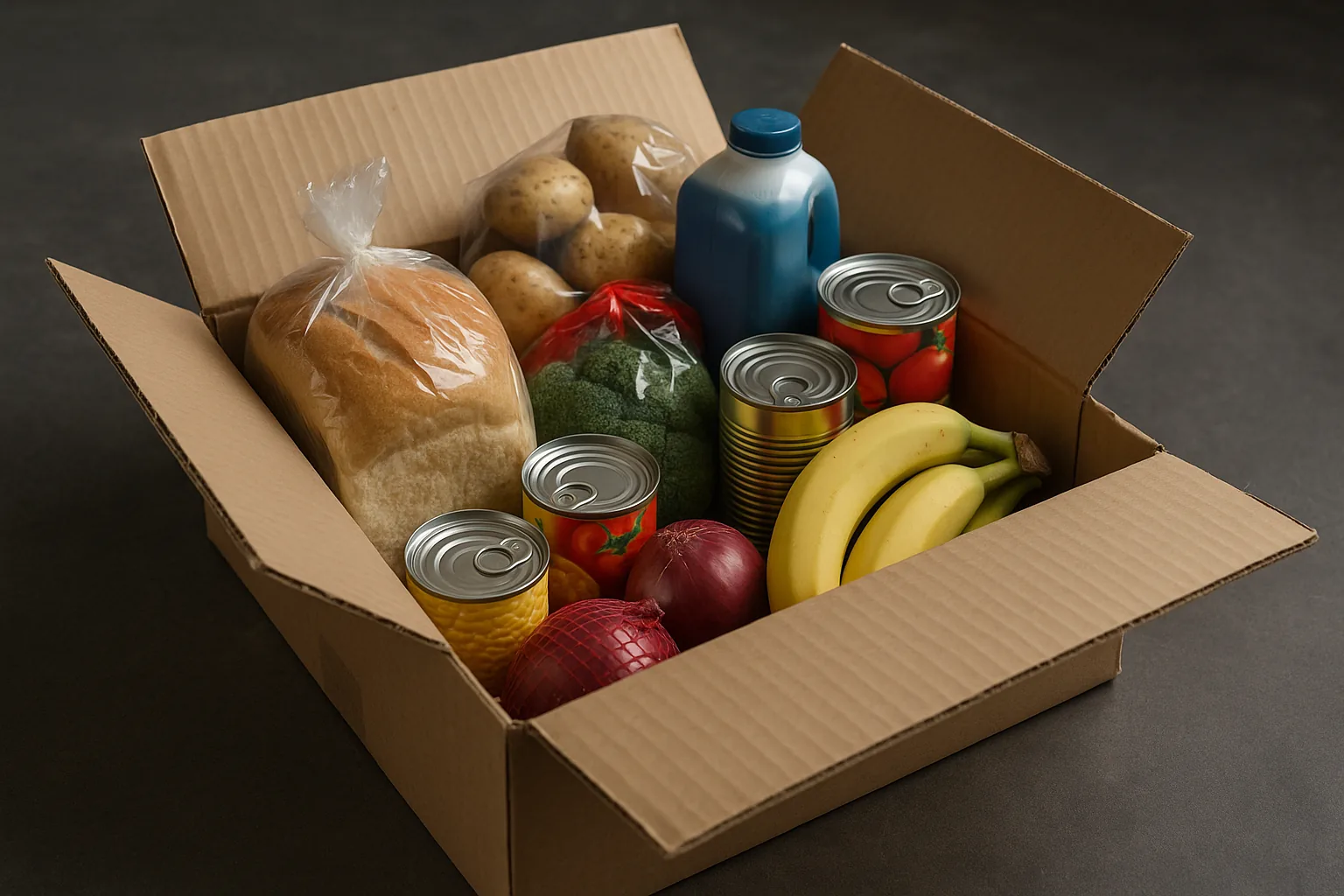
A viral Facebook promotion claiming that Morrisons supermarket is handing out free food boxes to anyone who comments on or shares a social media post is false. Morrisons has confirmed the offer is not genuine, and the posts originate from fraudulent pages impersonating the real supermarket chain. The Morrisons food box scam has drawn in thousands of people who believed they were entering a legitimate giveaway, and it continues to circulate in 2026. Understanding exactly how this fraud operates — and why it is so effective — is the clearest way to protect yourself and others from falling victim to it.
What the Facebook posts actually claim
The posts at the centre of this scam are straightforward in their appeal. A Facebook page called ‘Morrisons Fans’, along with other pages impersonating the supermarket, publishes posts telling followers that Morrisons is distributing free food boxes to social media users. To receive one, participants are typically instructed to comment on the post, share it with friends, and provide their personal details. The claimed value of these boxes ranges from £30 to £75, a figure carefully chosen to feel plausible — generous enough to be exciting, but not so extravagant as to immediately trigger scepticism.
The posts are designed to mimic the visual language of a real supermarket promotion. They often use Morrisons branding, colour schemes and logos, making them difficult to distinguish at a glance from genuine marketing content. This level of imitation is deliberate. Scammers understand that most people do not scrutinise the source of a Facebook post before engaging with it, particularly when the offer appears to come from a familiar, trusted retailer.
The mechanism of the scam is also engineered to spread quickly. By asking users to comment and share as a condition of entry, the fraudulent posts generate organic reach on Facebook’s platform. Each comment and share exposes the post to a wider network of friends and family, multiplying the audience without any additional effort from the scammers. Thousands of people have entered this hoax, according to reporting by the Liverpool Echo, which means thousands of individuals have potentially handed over personal information to unknown parties.
Morrisons’ position on the Morrisons food box scam
Morrisons has been unambiguous in its response. The supermarket confirmed to Full Fact that the free food box offer is not a genuine promotion from the company. There is no such giveaway running, and the pages circulating these posts are not affiliated with Morrisons in any way. The company has also publicly urged shoppers to remain vigilant and not fall for the scam, a warning reported by Retail Gazette in 2022 and still relevant today given that the posts continue to circulate.
It is worth being precise about what Morrisons has and has not said publicly. The verified facts confirm that the company has disowned the promotion and warned consumers. What is not confirmed by available primary sources is the full text of any official press statement, the precise dates on which internal communications were issued, or whether Morrisons has taken specific legal action against the pages involved. Responsible reporting requires drawing that line clearly: the scam is false, and Morrisons has said so, but the operational detail of the company’s response beyond those two points is not established by the sources available.
This matters because one of the hallmarks of misinformation — including misinformation about misinformation — is the tendency to fill gaps with plausible-sounding detail. The verified record here is already sufficient to establish the key facts: Morrisons did not launch this promotion, and the pages running it are fraudulent.
How the scam collects personal data
The most consequential element of this fraud is not the disappointment of not receiving a food box. It is the collection of personal information. According to reporting by Retail Gazette, the scam requests personal details from participants. This is the mechanism through which the fraud becomes genuinely harmful, moving it from a simple hoax into a potential vehicle for identity fraud, phishing, or the sale of personal data to third parties.
When a person enters a fake giveaway of this kind, they are typically asked to provide a name, address, email address, and sometimes a phone number. In some variants of similar scams — and this pattern is well documented across the broader category of social media impersonation fraud — users are directed to a third-party website where the data collection occurs. That website may bear the branding of the impersonated company but is entirely outside that company’s control.
Once personal data has been submitted, the individual has little visibility over what happens to it. It may be used to send phishing emails or text messages, sold to marketing databases, or used in more targeted fraud attempts. The person who entered what they believed was a Morrisons food box giveaway may, weeks or months later, receive a suspicious email purportedly from their bank, their energy provider, or another trusted institution — and the connection to the original scam post may not be immediately obvious.
This delayed and indirect harm is one reason why social media giveaway scams remain persistently underreported. Victims often do not connect the data they shared on Facebook with the phishing attempt they receive later. As a result, the scale of harm from scams like the Morrisons food box scam is likely greater than the number of formal complaints or reported incidents would suggest.
Why supermarket impersonation scams are so common
Morrisons is far from the only supermarket to have its brand used in this way. Fraudulent giveaway posts impersonating major UK retailers are a well-established category of social media fraud, and the pattern they follow is remarkably consistent. A page with a name similar to the real brand — but not identical — posts a giveaway offer. The offer requires engagement actions that boost the post’s algorithmic reach. Participants are asked for personal details. The page has no official affiliation with the real company.
The reason supermarkets are particularly attractive targets for this kind of impersonation is straightforward. They are universally known, widely trusted, and associated in the public mind with practical, everyday value. A giveaway from a luxury brand might trigger more scepticism — why would they give something away to a random commenter? — but a supermarket offering a food box worth £30 to £75 sits within a range that feels entirely plausible. Supermarkets do run genuine promotions. They do offer loyalty rewards. They do engage with customers on social media. The scam exploits the legitimate goodwill that real retailers have built with their customers.
The timing of these posts also tends to be opportunistic. Periods of economic pressure, when households are more acutely aware of food costs and more likely to welcome the idea of a free box of groceries, see higher engagement with offers of this kind. The posts do not need to convince everyone — they only need to convince enough people to make the data collection worthwhile. At the scale that Facebook operates, even a small conversion rate represents a very large number of individuals.
How to identify a fraudulent giveaway post
Several consistent features distinguish fraudulent giveaway posts from genuine promotions, and being able to identify them quickly is a practical consumer skill. The first is the page name. Genuine Morrisons social media accounts are verified and carry the company’s official name, not variants like ‘Morrisons Fans’ or ‘Morrisons UK Deals’. Facebook’s verification system, while imperfect, provides a blue tick to confirmed official pages — its absence on a page running a major giveaway is a meaningful warning sign.
The second is the entry mechanism. Legitimate supermarket promotions do not require participants to comment and share as a condition of entry in the way these scam posts do. Real competitions are typically governed by terms and conditions, run through official websites or apps, and comply with the UK’s Advertising Standards Authority guidelines on prize promotions. A post that says “comment below and share to win” with no link to terms and conditions is almost certainly not a legitimate promotion.
The third is the data collection step. If entering a social media giveaway requires submitting personal details — particularly an address or phone number — through an external website that is not clearly the official retailer’s domain, that is a strong indicator of fraud. Genuine retailers do not need to collect address data through informal Facebook comment threads or third-party forms with no visible privacy policy.
The fourth is verification with the real company. If a promotion appears to come from a well-known retailer but something feels uncertain, the simplest check is to visit the retailer’s official website directly — not via any link in the post — and look for any mention of the promotion. If it does not appear there, it is not real. Morrisons’ official website and verified social media channels are the authoritative source for any genuine Morrisons promotion. The Full Fact article on this specific scam also provides a clear, sourced debunking that can be shared with anyone who has seen the posts.
What to do if you have already engaged with the scam
For anyone who has already commented on, shared, or submitted personal details to one of these fraudulent posts, there are practical steps worth taking. If an email address was provided, it is worth being especially alert to unsolicited emails asking for further personal information, login credentials, or payment details. These should not be responded to, and any links within them should not be clicked.
If a home address was submitted, monitoring for unexpected post or being alert to signs of identity fraud — such as unfamiliar credit applications appearing on a credit report — is advisable. The UK’s Action Fraud service is the appropriate body to contact if personal data has been compromised or if any subsequent fraud is suspected. Reporting the fraudulent Facebook page directly to Facebook using the platform’s built-in reporting tools also helps limit the post’s reach, even if it does not guarantee the page will be removed quickly.
It is also worth sharing accurate information with anyone in your network who may have seen or engaged with the post. The most effective counter to a scam that spreads through social sharing is accurate information that spreads the same way. Pointing people to Morrisons’ own confirmation that the offer is not genuine, or to the Full Fact debunking, is more useful than simply telling them the post is fake without providing a source they can check.
The Morrisons food box scam is a clear example of a fraud category that relies almost entirely on the trust people place in familiar brand names and the social proof generated by seeing others engage with a post. Morrisons has confirmed the offer does not exist. The pages running it are impersonators. The personal data they collect is the real product being harvested. None of that is speculative — it is what the evidence, from the retailer itself and from multiple independent sources, consistently shows. Treating any unsolicited social media giveaway with the same scepticism you would apply to an unsolicited phone call is, in 2026, simply a reasonable default.
This article was produced with AI assistance and reviewed editorially.

Trump Claims U.S. Has ‘Best Poverty Numbers Ever’ in September 2026

Satire Article About Kamala Harris’s Campaign Debt Spread as Fact on Social Media in 2026

AI-Generated Video of Pro-Palestine UK Rally Spreads with SynthID Watermark Visible

Alleged October 1, 2026 Trucker Strike: No Evidence Found
