
Environment
The impacts of intensive livestock farming on CO2 generation and climate change

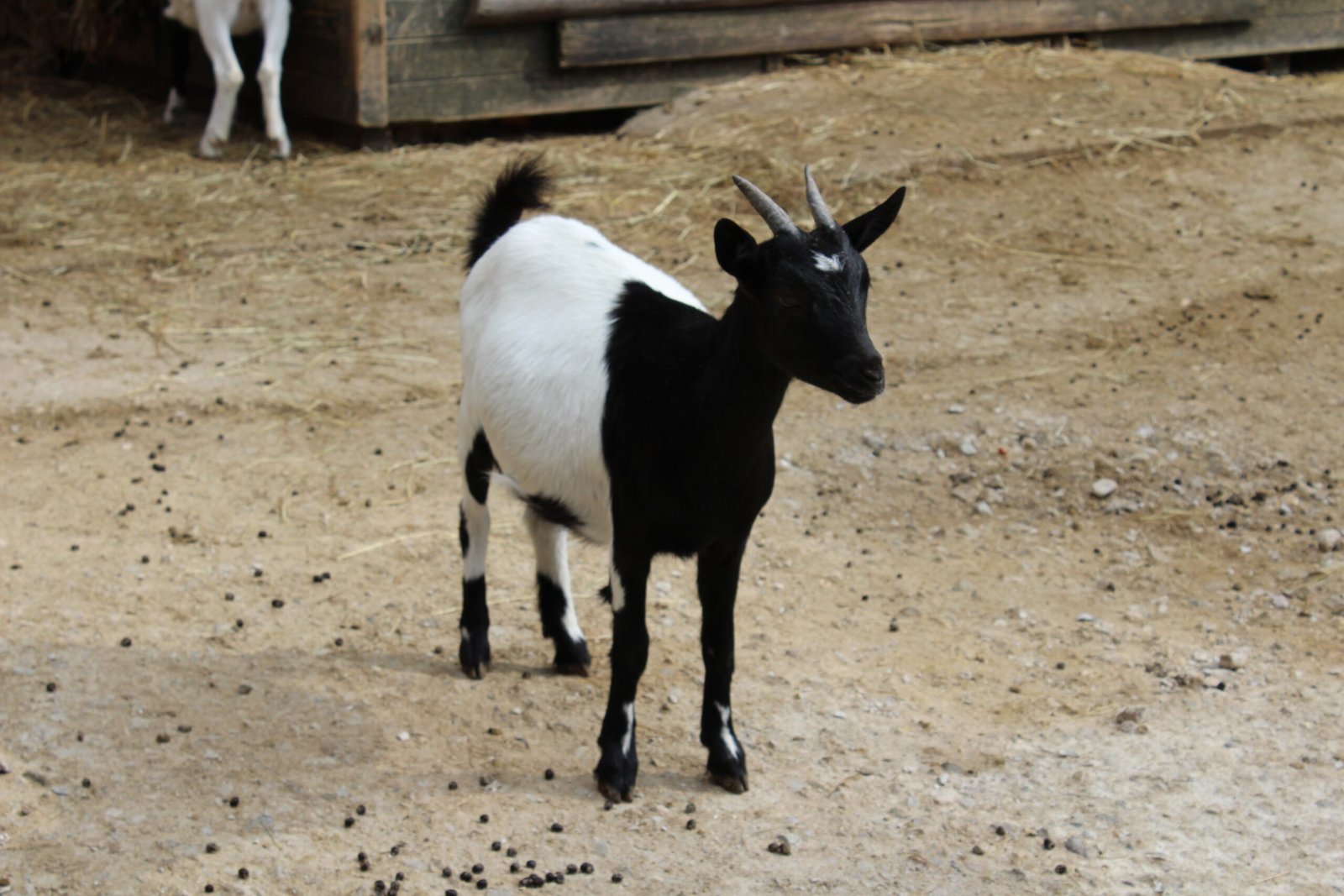
Intensive farming has a significant impact on CO2 generation in the environment and climate change. In this article, we will examine the five main effects of this type of farming on the environment and climate.
1. Greenhouse gas emissions
Intensive farming is responsible for a large amount of greenhouse gas emissions, particularly methane and carbon dioxide. Cows, for example, produce large quantities of methane through the digestion of their food. These gases contribute to the greenhouse effect and global warming.
2. Deforestation
To meet the growing demand for meat, intensive farming requires large expanses of land for the cultivation of feed. This leads to deforestation of rainforests, which are fundamental for absorbing CO2 and mitigating climate change.
3. Water consumption
Intensive farming requires enormous quantities of water for the irrigation of cultivated land and for watering animals. This leads to excessive exploitation of water resources, contributing to the scarcity of drinking water in many parts of the world.
4. Water pollution
The large quantities of waste produced by intensively farmed animals often end up in surface and groundwater. This pollutes water resources, damaging aquatic fauna and flora and threatening human health.
5. Loss of biodiversity
The conversion of land for intensive farming leads to the loss of natural habitats and the decline of biodiversity. This negatively affects the balance of ecosystems and the conservation of species, contributing to the global biodiversity crisis.
It is essential to address these negative impacts of intensive farming to mitigate climate change and preserve the environment. Supporting sustainable agricultural practices, such as organic farming and conscious meat consumption, can help reduce the impact of this sector on the environment.

Political Ads in 2026 Midterms Contain False or Misleading Claims About Opponents

Trump Administration ‘Super Intelligence’ Accord Misspells ‘United States’ as ‘Unites States’

Trump Administration ‘Super Intelligence’ Accord Misspells ‘United States’ as ‘Unites States’

No Going Back PAC Ad Makes Misleading Claim About Roy Cooper and Rape Kits
