Society
The impact of social media on the population: analysis by 5 sociologists and philosophers

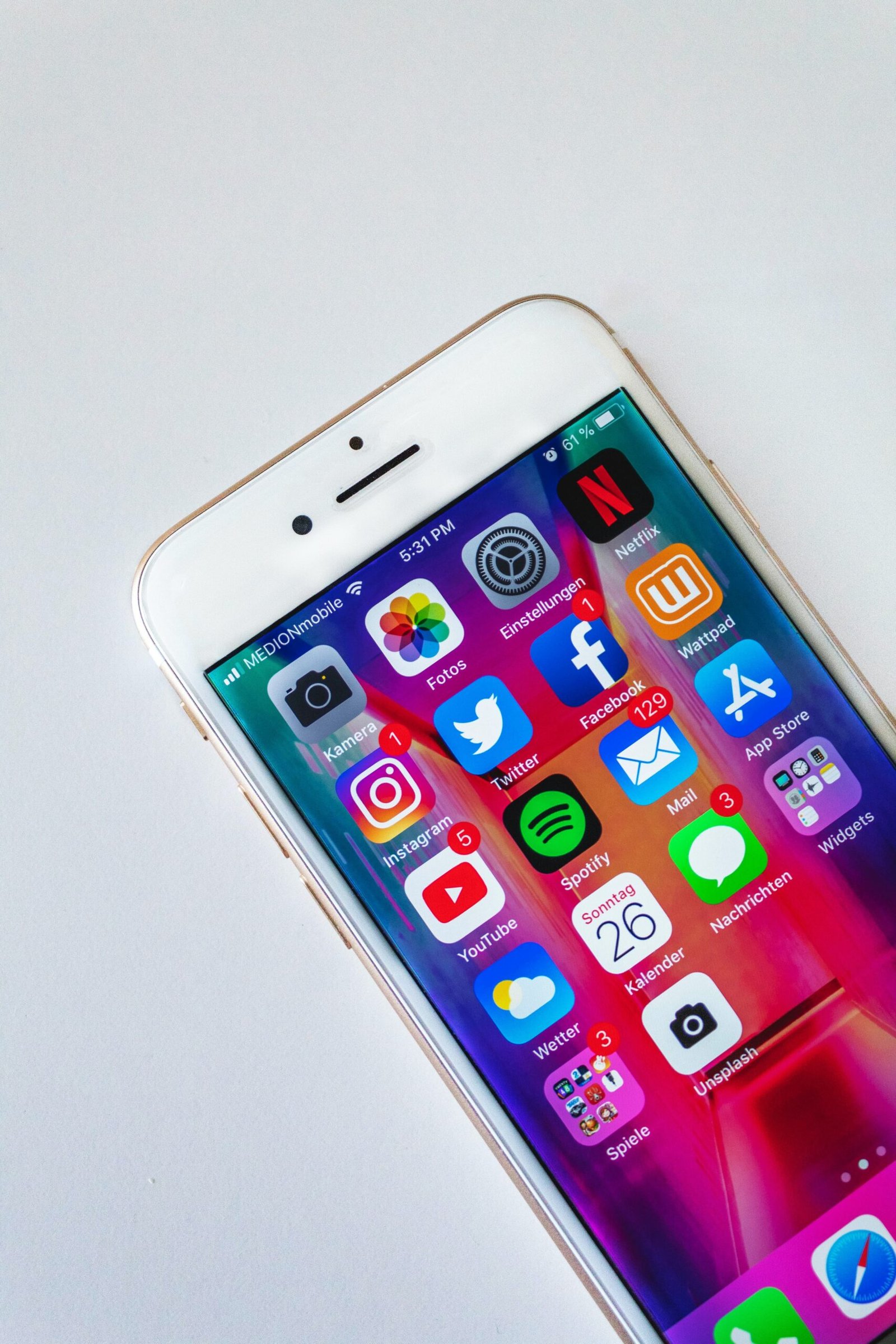
Social media has revolutionized our society in many ways, influencing the daily lives of millions of people around the world. The impact of these digital platforms on the population is a topic of great interest to sociologists and philosophers seeking to understand the social and cultural dynamics of our time.
Below, we will list five sociologists and philosophers who have studied the impact of social media on the population and dedicate a paragraph to the ideas of each of them.
1. Zygmunt Bauman
Zygmunt Bauman, a Polish sociologist, analyzed the impact of social media on contemporary society through the concept of “liquid”. According to Bauman, social media promote superficial and volatile relationships, in which human connections become ephemeral and devoid of meaning. This phenomenon has consequences for the construction of identity and the formation of communities.
2. Sherry Turkle
Sherry Turkle, an American sociologist and psychologist, focused on the effect of social media on interpersonal relationships. According to Turkle, excessive use of social media can lead to a decrease in the capacity for empathy and authentic communication. People may feel more connected online, but at the same time they may experience greater loneliness in real life.
3. Jean Baudrillard
Jean Baudrillard, a French philosopher, analyzed the impact of social media on the concept of reality. According to Baudrillard, social media creates a simulated reality, in which people lose themselves in the representation of themselves and in the search for online approval. This phenomenon can lead to a distortion of the perception of reality and a loss of critical sense.
4. Manuel Castells
Manuel Castells, a Spanish sociologist, studied the impact of social media on politics and power dynamics. According to Castells, social media has changed the way people participate in public debate and influence political decisions. This phenomenon can lead to greater democratization, but also to a polarization of opinions.
5. Marshall McLuhan
Marshall McLuhan, a Canadian philosopher, theorized about the impact of media on society in his book “Understanding Media”. McLuhan argues that social media has transformed our experience of time and space, creating a “global village” in which information and communications spread instantly. This phenomenon has consequences for our perception of the world and social dynamics.
The sociologists and philosophers listed have contributed to providing a critical perspective on the impact of social media on the population. Their ideas invite us to reflect on the social and cultural dynamics that characterize our digital age.


AI-Generated Videos of Geopolitical Events Spread as Authentic Footage

AI-Generated and Manipulated Images Spread Across Social Media During Paris Riots and European Protests

Political Ads in 2026 Midterms Contain False or Misleading Claims About Opponents

Trump Administration ‘Super Intelligence’ Accord Misspells ‘United States’ as ‘Unites States’
