
Current Affairs
Harvey Weinstein Sentenced to 15 Years: Eight Rumors Fact-Checked
Harvey Weinstein was sentenced to 15 years in prison on September 23, 2026, for a felony sexual assault against Miriam Haley. We verify the key claims about the sentence, the retrial, and the appeal.

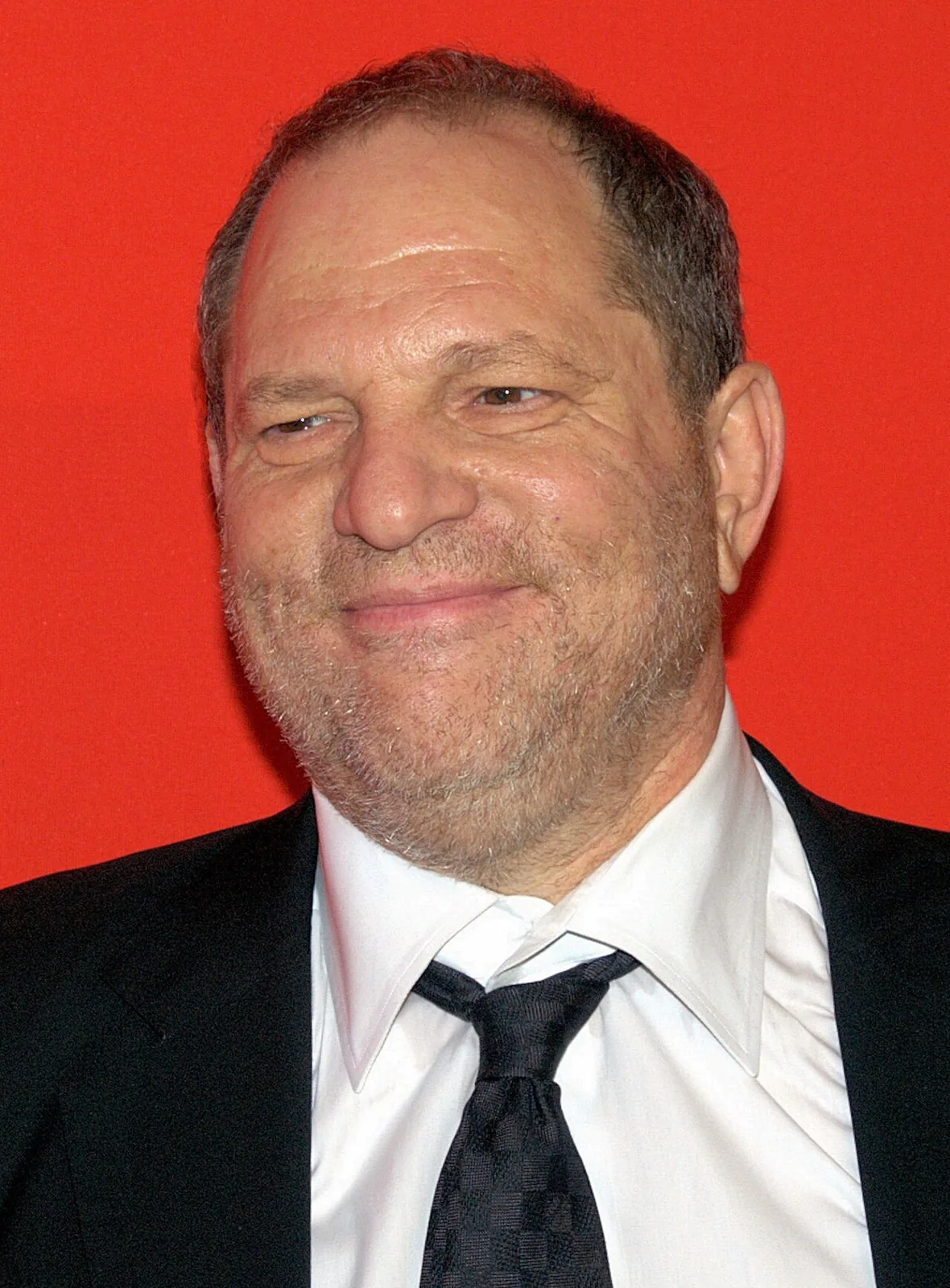
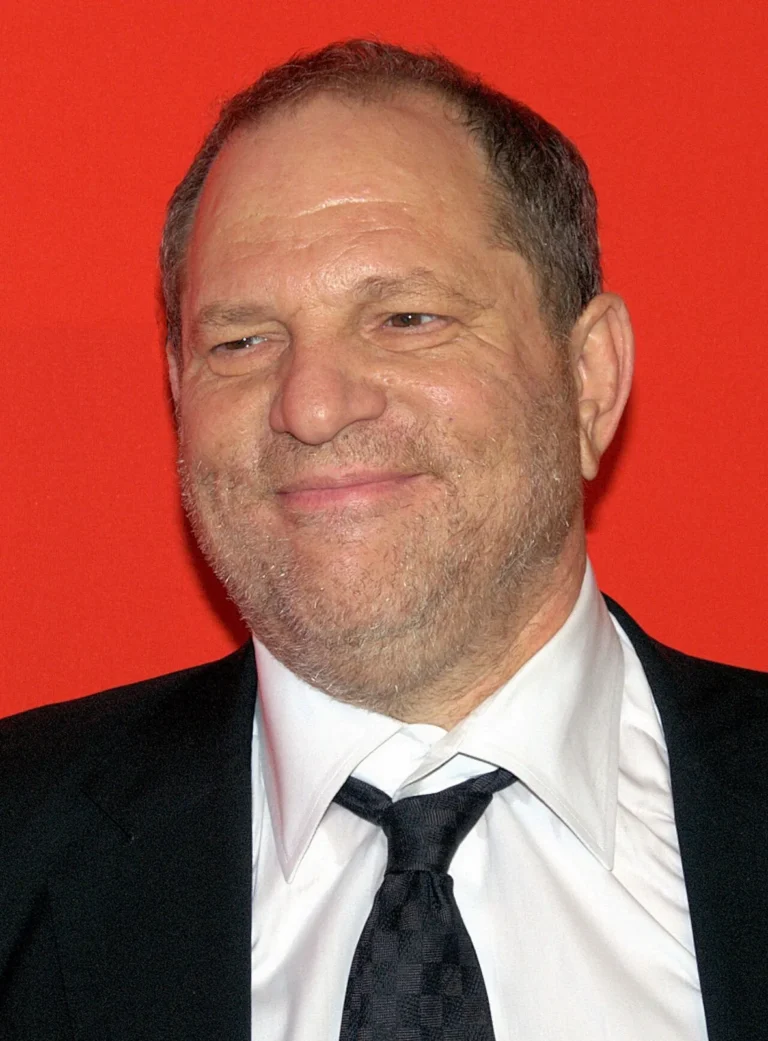
On September 23, 2026, a Manhattan judge sentenced Harvey Weinstein to 15 years in prison for a felony sexual assault — a courtroom moment that closed one chapter of one of the most consequential legal sagas in modern American history. The moment Harvey Weinstein sentenced headlines spread across every major outlet, social media platforms immediately filled with claims, corrections, counter-claims, and outright fabrications about the case, the verdict, the victim, and what the sentence actually means. Some of those claims were honest misunderstandings of complex legal procedure; others were deliberate distortions. What follows is a careful, source-by-source examination of the most widely circulated assertions, measured against what the court record and verified reporting actually show.
Harvey Weinstein Sentenced: The Core Facts
Before addressing specific claims, it is worth establishing the verified baseline. Harvey Weinstein, 74, the once-powerful Hollywood producer behind films including Shakespeare in Love, Pulp Fiction, and Chocolat, appeared in a Manhattan courtroom on September 23, 2026, in a wheelchair. The judge sentenced him to 15 years for committing a criminal sexual act against Miriam Haley, a production assistant, at his Manhattan apartment in 2006. Manhattan prosecutors had sought a 20-year sentence; Weinstein’s lawyers had argued for nine years. The judge’s 15-year term fell between those two requests.
Weinstein is already serving a 23-year sentence for rape and sexual assault in a separate case. The September 23 sentence is therefore additional to — not a replacement for — that existing term. His legal team has announced plans to appeal the new conviction and sentence. These are the facts. Everything else discussed below is a claim that circulated publicly and required verification.
Quick-Reference Summary: Harvey Weinstein Sentencing Key Details
- Date sentenced: September 23, 2026
- Sentence imposed: 15 years
- Charge: Criminal sexual act (felony)
- Victim named in court: Miriam Haley, production assistant
- Assault date: 2006, Manhattan apartment
- Prosecution requested: 20 years
- Defense requested: 9 years
- Existing sentence: 23 years (separate case, already being served)
- Appeal: Announced by defense team
How Did Harvey Weinstein Come to Be Sentenced in 2026?
Understanding why Harvey Weinstein was sentenced on September 23, 2026, requires a brief account of the legal timeline. Weinstein was first convicted in New York in 2020. That conviction was subsequently overturned by New York’s highest court, and a retrial was ordered. A second jury found Weinstein guilty again. The September 23, 2026, sentencing flows directly from that retrial verdict. The case that produced the 15-year sentence is therefore distinct from — though related to — the proceedings that produced his existing 23-year term.
Claim 1: Weinstein Was Never Convicted — He Only Pleaded Guilty
This claim circulated on several social media platforms in the days surrounding the sentencing, suggesting that Weinstein had avoided a full trial by entering a guilty plea. It is false. Weinstein did not plead guilty in this case. A jury found him guilty of committing a criminal sexual act against Miriam Haley at a retrial. The retrial itself was necessary because Weinstein’s original 2020 conviction was overturned by New York’s highest court. A second jury then found him guilty again. The sentence handed down on September 23, 2026, flows directly from that jury verdict, not from any plea arrangement.
Claim 2: The 2020 Conviction Was Thrown Out Because of Prosecutorial Misconduct
This claim is unverifiable from the sources available. What is verified is the fact itself: Weinstein’s 2020 conviction was overturned by New York’s highest court. The specific legal grounds on which the court acted are not detailed in the verified sources used for this article. Attributing the overturn specifically to prosecutorial misconduct — a claim that circulated widely — goes beyond what can be confirmed here. Readers should consult primary court documents for the precise legal reasoning. What is clear is that the overturn did not mean Weinstein was found innocent; it meant the original proceedings were legally flawed in some respect, and a retrial was ordered. That retrial resulted in a second guilty verdict.
Claim 3: Weinstein’s Sentence Is Effectively a Life Sentence Given His Age
This is one of the more analytically interesting claims, and it requires careful handling. Weinstein is 74 years old. He is already serving 23 years in a separate case, and he has now received an additional 15-year sentence. Whether the sentences run consecutively or concurrently is not specified in the verified sources available for this article, so this article cannot confirm the precise arithmetic of his total incarceration. What can be said is that, taken at face value, the combination of a 23-year sentence and a 15-year sentence for a man of 74 with documented health issues — he appeared in court in a wheelchair — does raise legitimate questions about whether he will ever be released. However, characterising the 15-year sentence itself as a life sentence is an editorial judgment, not a statement of legal fact. The sentence is 15 years, as imposed. Any broader characterisation depends on factors including parole eligibility, sentence structure, and Weinstein’s health, none of which are fully detailed in the verified record.
Claim 4: Prosecutors Were Satisfied With the 15-Year Term
This claim is contradicted by the verified record. Manhattan prosecutors had asked for a 20-year sentence. The judge imposed 15 years. That is a five-year gap between what prosecutors requested and what they received. Whether prosecutors publicly expressed satisfaction or dissatisfaction after the sentencing is not detailed in the verified sources, but the numerical record is unambiguous: the sentence was shorter than what the prosecution sought. Claims that prosecutors were fully satisfied with the outcome, or that the sentence matched their request, are not supported by the verified facts.
Claim 5: Weinstein’s Defense Team Got What They Wanted
This claim is equally contradicted by the verified record, though in the opposite direction. Weinstein’s lawyers had asked for a nine-year sentence. The judge imposed 15 years — six years more than the defense sought. Neither side received exactly what it asked for. The 15-year sentence represents the judge’s independent determination, landing between the prosecution’s request of 20 years and the defense’s request of 9 years. Any framing that presents the sentence as a victory for either side requires qualification against these numbers.
Claim 6: The #MeToo Movement Began With the Weinstein Allegations
This claim is substantially supported by the verified record, with important context. Sexual assault allegations against Weinstein in 2017 set off the #MeToo movement, according to multiple verified sources. The #MeToo phrase itself predates 2017 — activist Tarana Burke coined it years earlier — but the explosive, global spread of the movement as a cultural and legal force is directly tied to the wave of allegations against Weinstein that became public in 2017. The claim as it typically circulates — that Weinstein’s case started #MeToo — is a simplification, but the verified sources do confirm that the 2017 allegations against him were the catalyst for the movement’s mass expansion. Attributing the entire origin of #MeToo solely to Weinstein, without acknowledging Burke’s prior work, is an oversimplification, but the causal link between the 2017 allegations and the movement’s modern form is verified.
Claim 7: Weinstein Was Only a Producer — He Never Won an Oscar Himself
This claim is false. The verified record confirms that Weinstein was an Oscar-winning producer. His producing credits include Shakespeare in Love, Pulp Fiction, and Chocolat — all films with significant Academy Award histories. The claim that Weinstein personally never won an Oscar, sometimes offered to minimise his industry stature, is not supported by the verified facts. He was, by any measure, one of the most decorated and powerful producers in Hollywood before the 2017 allegations dismantled his career and reputation.
Claim 8: The Victim in This Case Was an Actress
This claim is false. The verified record is specific: Weinstein was convicted of committing a criminal sexual act against Miriam Haley, identified as a production assistant, not an actress. The assault occurred in 2006 at his Manhattan apartment. The conflation of Haley with other women who have made allegations against Weinstein — some of whom are actresses — appears to be the source of this confusion. Precision matters here: Miriam Haley’s role as a production assistant is part of the verified court record, and misidentifying her profession misrepresents the facts of the case for which Weinstein was sentenced on September 23, 2026.
Why Misinformation Spreads Around High-Profile Sentencings
The volume of false and misleading claims surrounding the Weinstein sentencing is not unique to this case. High-profile criminal proceedings consistently generate misinformation for several overlapping reasons. Legal proceedings are genuinely complex: terms like retrial, concurrent sentence, consecutive sentence, and appeal have precise meanings that differ from everyday usage, and that gap creates space for misunderstanding. Additionally, the Weinstein case carries enormous cultural and political weight — it sits at the intersection of celebrity, power, gender, and justice — which means that many people approach the facts with strong prior beliefs that shape how they receive and share information.
The fact that Weinstein’s 2020 conviction was overturned and a retrial was required added another layer of complexity. Many people who followed the original 2020 case did not closely track the subsequent legal proceedings, meaning their mental model of “the Weinstein case” was frozen at a point that no longer reflected the current legal reality. When the September 23, 2026, sentencing arrived, claims rooted in that outdated understanding spread quickly.
It is also worth noting the role of Weinstein’s physical condition in generating speculation. His appearance in a wheelchair prompted numerous claims about his health, the authenticity of his medical condition, and whether his condition was being used strategically in legal proceedings. None of those specific claims are addressed here because none of them are supported or refuted by the verified sources available. They remain unverifiable from the current record.
What the Appeal Could Mean
The confirmation that Weinstein’s legal team plans to appeal the conviction and sentence has itself generated a fresh wave of claims, some suggesting the appeal will automatically reduce his sentence, others claiming it will nullify the conviction entirely. Neither claim is accurate as a general statement of how appeals work. An appeal is a legal challenge to the proceedings; it does not automatically alter a sentence or conviction. The outcome of an appeal depends entirely on the specific legal arguments raised and the appellate court’s findings. Given that Weinstein’s 2020 conviction was already overturned once by New York’s highest court, the possibility of a successful appeal is not theoretical — it has precedent in this very case. But the existence of an appeal does not mean the sentence is suspended or that the outcome is predetermined. Weinstein remains, as of the time of writing, sentenced to 15 years following his conviction at retrial, in addition to the 23-year sentence he is already serving.
Frequently Asked Questions: Harvey Weinstein Sentenced
How many years was Harvey Weinstein sentenced to?
On September 23, 2026, a Manhattan judge sentenced Harvey Weinstein to 15 years for a felony criminal sexual act against Miriam Haley. This sentence is in addition to a separate 23-year sentence he is already serving.
What was Harvey Weinstein convicted of in the 2026 sentencing?
Weinstein was convicted of committing a criminal sexual act against Miriam Haley, a production assistant, at his Manhattan apartment in 2006. A jury returned the guilty verdict at a retrial after his original 2020 conviction was overturned.
Why was there a retrial?
Weinstein’s original 2020 New York conviction was overturned by New York’s highest court. The specific legal grounds are not fully detailed in the verified sources available, but the overturn did not constitute a finding of innocence. A retrial was ordered, and a second jury found him guilty.
Is Harvey Weinstein’s 15-year sentence on top of his existing prison term?
Yes. Weinstein was already serving a 23-year sentence from a separate case. The 15-year sentence imposed on September 23, 2026, is additional to that existing term. Whether the two sentences run consecutively or concurrently has not been confirmed in the verified sources available.
Who is Miriam Haley?
Miriam Haley is the woman named in the charge for which Weinstein was sentenced on September 23, 2026. Court records identify her as a production assistant at the time of the 2006 assault. She is not an actress, contrary to a claim that circulated widely after the sentencing.
Will Weinstein’s appeal change his sentence?
Not automatically. Weinstein’s legal team has announced plans to appeal, but an appeal is a legal challenge to the proceedings, not an automatic modification of the sentence or conviction. The outcome depends on the specific arguments raised and the appellate court’s findings.
The Weinstein sentencing on September 23, 2026, is a factually dense event that has been reported accurately by major outlets and distorted in equal measure across social platforms. The verified record is clear on the essentials: 15 years, one conviction, one victim identified in court as Miriam Haley, a retrial following an overturned 2020 conviction, and a defendant who is 74 years old and already incarcerated on a separate 23-year term. Every claim that departs from those anchors — whether by inflating the sentence, misidentifying the victim, mischaracterising the prosecution’s position, or distorting the legal history — can be checked against that record. For readers seeking the primary legal record, The New York Times’ coverage of the September 23 sentencing provides detailed, sourced reporting on the proceedings.
This article was produced with AI assistance and reviewed editorially.

Trump Claims U.S. Has ‘Best Poverty Numbers Ever’ in September 2026

Satire Article About Kamala Harris’s Campaign Debt Spread as Fact on Social Media in 2026

AI-Generated Video of Pro-Palestine UK Rally Spreads with SynthID Watermark Visible

Alleged October 1, 2026 Trucker Strike: No Evidence Found
