
Current Affairs
Katie Zacharia’s Bar Admission Claims Cannot Be Verified in Any U.S. State
Searches across all 50 U.S. states and Chinese legal records show no evidence supporting Katie Zacharia’s claimed attorney status. Bar admission verification reveals no a

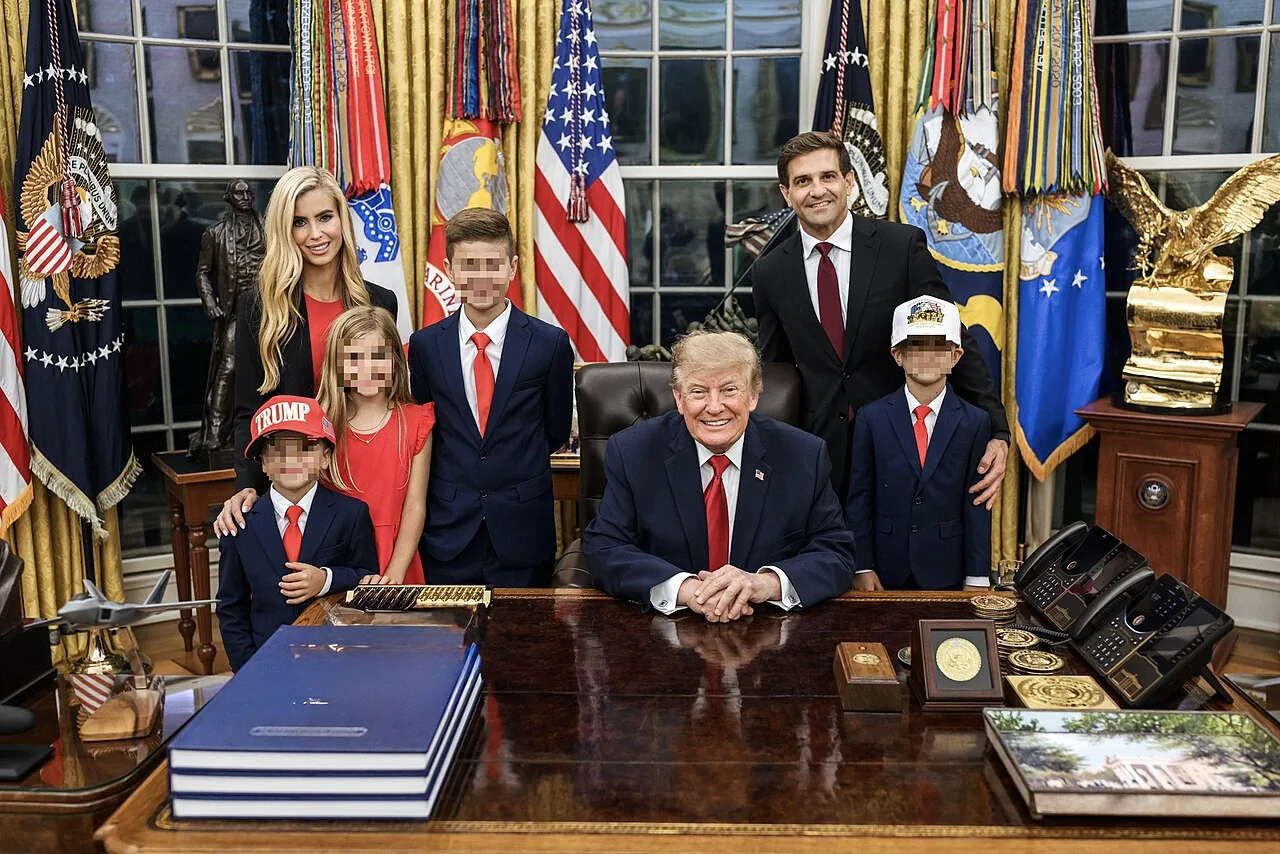
Questions about Katie Zacharia’s professional credentials have surfaced within days of her appointment as White House Press Secretary, with searches conducted across all 50 U.S. states turning up no evidence to support the claim — made publicly by President Trump — that she is an attorney. The controversy places bar admission verification at the center of a debate about the qualifications of one of the most visible spokespersons in the federal government.
The Appointment and the Attorney Claim
On October 9, 2026, President Donald Trump announced Zacharia’s appointment as White House Press Secretary, describing her in that announcement as “an attorney.” Zacharia holds a law degree from Pepperdine University, earned in 2011, and her LinkedIn profile lists her as having worked as an associate at Zhong Lun Law Firm in Beijing from 2011 to 2013. On the surface, those credentials suggest a legal career. What they do not establish, as independent searches have since confirmed, is that she ever obtained a license to practice law in any U.S. jurisdiction.
Zacharia held her first press briefing on October 13, 2026 — four days after the appointment announcement. That same day, a reporter asked her directly in which U.S. state she had passed the bar exam. According to reporting by the BBC, Zacharia responded by referencing her time in China, a response that did not answer the question of U.S. state bar admission and that prompted further scrutiny of her credentials.
What Bar Admission Verification Searches Found
Snopes conducted a systematic review of lawyer directories across all 50 U.S. states and found no evidence that Zacharia was licensed as a lawyer in any of them. The same search extended to Chinese legal records, and again found no evidence of licensure. Separately, reporters reviewing U.S. attorney registration records found no evidence of her admission to practice in any state or in Washington, D.C.
The process of bar admission verification in the United States is, by design, transparent and publicly accessible. Every state bar maintains a searchable online directory of licensed attorneys. These databases are updated regularly and are considered authoritative records of who is and is not permitted to practice law within a given jurisdiction. When multiple independent searches of those databases — covering every state — return no result for a named individual, the standard conclusion is that the individual does not hold an active U.S. law license.
It is worth being precise about what those searches do and do not establish. They confirm that no evidence of a U.S. bar license has been found. They do not, on their own, resolve every question about Zacharia’s legal background. Whether she passed a bar exam in China or any other jurisdiction, and the precise nature of her work at Zhong Lun Law Firm, remain unverified on the basis of currently available evidence.
Earning a Law Degree Is Not the Same as Bar Admission
A critical distinction underlies this entire controversy: graduating from an accredited law school and being admitted to the bar are two separate and legally distinct events. A Juris Doctor degree — the credential Zacharia earned from Pepperdine in 2011 — qualifies a graduate to sit for a bar examination, but it does not confer the right to practice law. That right is granted only upon passing the relevant bar exam and being formally admitted by the licensing authority of a given state or jurisdiction.
In the United States, practicing law without a license is not merely an ethical violation — it is a crime in every state. The title “attorney” carries a specific legal meaning: it designates someone who has been admitted to a bar and is authorized to represent clients in legal proceedings. Using the term to describe someone who holds only a law degree, without confirmed bar admission, is therefore potentially misleading, regardless of how it is applied.
Working at a law firm, as Zacharia’s LinkedIn profile indicates she did in Beijing between 2011 and 2013, does not necessarily require bar admission either. Law firms in many jurisdictions employ law graduates in non-attorney roles — as paralegals, legal researchers, or in administrative capacities — without those individuals holding a license to practice. The specific nature and scope of her role at Zhong Lun Law Firm has not been independently verified from the sources available.
The White House Response
Steven Cheung, the White House communications director, addressed the scrutiny by stating that Zacharia is “uniquely qualified and whip smart to help inform the American people.” That characterization speaks to her fitness for the press secretary role broadly but does not directly address the bar admission question or clarify the basis for Trump’s description of her as an attorney.
The White House has not, based on available reporting, produced documentation of bar admission in any U.S. state or foreign jurisdiction. No statement from Zacharia herself clarifying or correcting the record has been reported by the sources reviewed for this article.
Why Bar Admission Verification Matters in This Context
The stakes of this question extend beyond professional biography. The White House Press Secretary is one of the most prominent public-facing positions in the U.S. government, responsible for communicating official policy and responding to press inquiries on behalf of the President. When that individual is described — by the President himself — as an attorney, the public and the press have a reasonable basis for expecting that claim to be accurate and verifiable.
Bar admission verification is the standard, publicly available mechanism for confirming legal credentials. It exists precisely because the legal profession requires accountability: clients, courts, and the public need to know who is and is not authorized to practice law. The fact that comprehensive searches of those records — across all 50 states and Washington, D.C. — have returned no result for Zacharia does not mean she has never held a legal credential anywhere. It means that, as of the date of this reporting, no evidence of any active or historical U.S. bar admission has been located.
For a position that depends on public trust and accurate communication, the unresolved gap between a presidential characterization and the available documentary record is a significant one. The Associated Press has covered the credential scrutiny in detail, as have Snopes and the BBC, all reaching the same basic finding: bar admission in any U.S. jurisdiction cannot be confirmed.
Zacharia’s law degree from Pepperdine is a documented fact. Her time working in Beijing at a prominent Chinese law firm is part of her stated professional history. What remains absent — after searches of every available U.S. bar directory and Chinese legal records — is the one piece of documentation that would confirm the credential Trump used to introduce her to the country: evidence that she was ever admitted to practice law anywhere.
This article was produced with AI assistance and reviewed editorially.

Political Ads in 2026 Midterms Contain False or Misleading Claims About Opponents

Trump Administration ‘Super Intelligence’ Accord Misspells ‘United States’ as ‘Unites States’

Trump Administration ‘Super Intelligence’ Accord Misspells ‘United States’ as ‘Unites States’

No Going Back PAC Ad Makes Misleading Claim About Roy Cooper and Rape Kits
