
Current Affairs
Edited Obama Speech Clip Circulates to Misrepresent His Democratic Ideals Position
An edited Obama speech viral video circulating on TikTok and Facebook misrepresents his 2014 remarks about democratic ideals by removing crucial context.

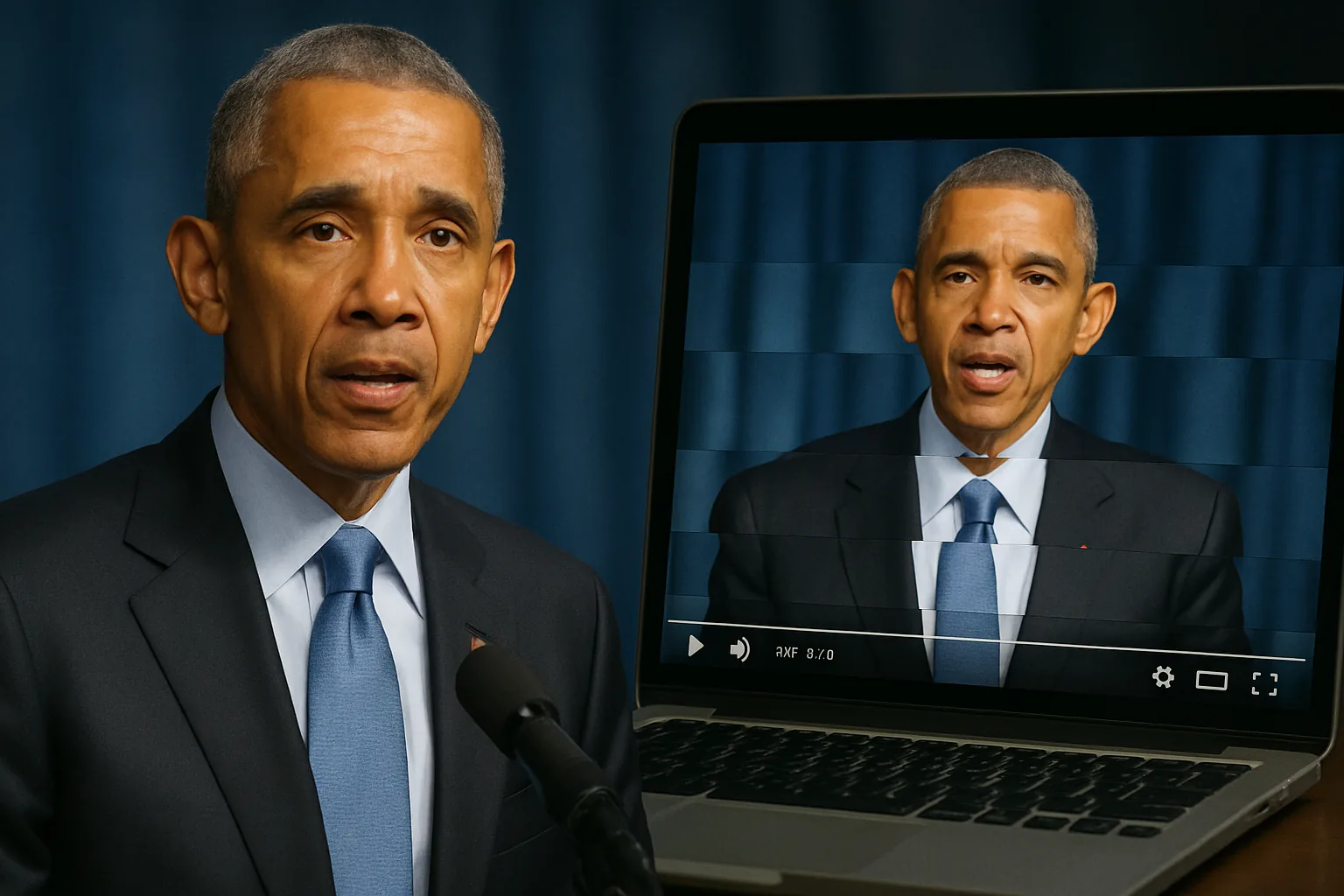
A manipulated video clip purporting to show former U.S. President Barack Obama dismissing the capacity of ordinary citizens to govern themselves has resurfaced with renewed force in October 2026, spreading across social media platforms and prompting fresh rounds of fact-checking from major verification organizations. The edited obama speech viral video distorts a passage from a speech Obama delivered in 2014, stripping away the rhetorical context that makes clear he was characterizing a view he explicitly opposed — not one he held. Full Fact published its fact-check of the current circulation on 13 October 2026, adding to a documented trail of debunks stretching back more than a decade.
What the Edited Video Actually Shows
The viral clip, which has been shared almost 10,000 times on social media in its latest wave of circulation according to Full Fact, features two short segments of Obama speaking. In the first, he references an “international order we have worked for generations to build.” In the second, he appears to state that “ordinary men and women are too small-minded to govern their own affairs, that order and progress can only come when individuals surrender their rights to an all-powerful sovereign.”
Presented in sequence without the surrounding speech, these two clips create the strong impression that Obama was articulating his own political philosophy — one that rejects democratic self-governance and favors concentrated authority. That impression is false. The video has been shared widely on TikTok and Facebook, and a version shared hundreds of thousands of times on Facebook was documented by Reuters as falsely depicting Obama rejecting democratic ideals.
Adding a further layer of misinformation, posts accompanying the video on Facebook have claimed it was “deleted from every platform years ago” — a framing designed to lend the clip an air of suppressed truth. Full Fact’s verification confirms this claim is also without foundation; the video has circulated openly across multiple platforms across multiple years.
The Missing Context That Changes Everything
The critical fact obscured by the edited obama speech viral video is straightforward: Obama was not expressing his own views in the passage quoted. According to Full Fact, the clip has been edited and Obama made these comments when describing an “alternative vision” of power that he was explicitly contrasting with democratic ideals — not endorsing.
→ Read also: Edited and Mislabeled Videos Misrepresent Real Events and People
This is a well-established rhetorical device in political speechmaking. A speaker describes the opposing worldview in detail — often in vivid, even alarming language — precisely to reject it and argue for the alternative. When the surrounding speech is removed, the described position becomes indistinguishable from the speaker’s own. That is exactly what the editing achieves here. The lines about “ordinary men and women” being “too small-minded to govern their own affairs” and individuals surrendering their rights to “an all-powerful sovereign” were Obama’s articulation of an authoritarian model he was arguing against, not a manifesto he was advancing.
AP News, which documented an earlier wave of this same edited obama speech viral video in 2020, confirmed the same core finding: the video distorts an Obama speech from more than seven years ago (measured from the date of that fact-check), with the editing removing the framing that identified the quoted passage as a characterization of a rival ideology.
A Recurring Piece of Manipulated Media
What makes this case particularly instructive is its longevity. This is not a new piece of fabricated media — it is a recurring one. PolitiFact documented circulation of the same edited video as early as June 2014, the same year Obama delivered the original speech. Reuters and AP News both fact-checked resurgences of the clip in 2020. AFP’s fact-checkers have also weighed in on the video. Full Fact’s 13 October 2026 fact-check represents at least the fourth distinct wave of widespread circulation across more than twelve years.
This pattern — old manipulated media re-emerging during periods of political tension or electoral activity — is a documented feature of the online information environment. The video’s reappearance in October 2026 follows the same template: a clip that was already debunked finds new audiences on platforms where previous fact-checks are not surfaced alongside the content. The claim that the video was “deleted from every platform years ago” actively exploits this dynamic, framing the re-share as an act of resistance against censorship rather than what it is — the spread of a clip that has been openly available and repeatedly fact-checked for over a decade.
The involvement of multiple independent fact-checking organizations — Full Fact, PolitiFact, Reuters, AP News, and AFP — across different years and different waves of circulation provides an unusually robust evidentiary record. Each organization reached the same conclusion through independent verification of the original speech material.
How Splice Editing Creates False Impressions
The technique used in this video is sometimes called decontextualization or splice editing. It does not require altering the speaker’s voice, generating synthetic audio, or digitally manipulating facial movements. The speaker’s own words are used — but the surrounding sentences, which establish the purpose and direction of those words, are removed. The result can be more persuasive than an outright fabrication precisely because the footage is genuine. Viewers who apply reasonable skepticism to obviously fake content may lower their guard when they can see and hear the actual person speaking.
→ Read also: GOP Ads Strip Context From Trump's 'Take Out' Los Angeles Remarks
In this case, the two clips selected for the edited obama speech viral video are particularly effective at creating a misleading impression because the language Obama used to describe the authoritarian alternative is specific and striking. Phrases like “too small-minded to govern their own affairs” and surrendering rights to “an all-powerful sovereign” are memorable and quotable. They are also, in their original context, the language of a critique — the rhetorical equivalent of a debater steelmanning the opposing position before dismantling it.
Without access to the full speech, a viewer encountering these clips has no way to know that the framing context has been removed. The addition of the false claim that the video was suppressed by platforms compounds the problem by discouraging viewers from searching for the original footage or existing fact-checks.
Platform Spread and the Scale of Reach
The documented platforms for this wave of the edited obama speech viral video are TikTok and Facebook, with Facebook showing the most measurable reach in the current and earlier cycles. Reuters reported that one version accumulated hundreds of thousands of shares on Facebook during the 2020 cycle. Full Fact’s figure of almost 10,000 shares for the October 2026 iteration may reflect earlier and faster intervention by fact-checkers and platform moderation systems, though the verified data does not allow a direct comparison of platform responses across cycles.
What the cumulative sharing figures across all documented cycles make clear is that the video’s total reach over its lifetime is substantial. A piece of manipulated media does not need to go viral in a single moment to have significant impact; repeated moderate-scale resurgences across years can expose the false claim to millions of users, many of whom will never encounter the accompanying fact-checks.
Readers who encounter this video — in its current form or any future recirculation — can consult Full Fact’s October 2026 fact-check for a direct assessment of the claim and its verdict. The consistent finding across every independent review is the same: the video misrepresents what Obama said by removing the context that identified the quoted passage as a description of a position he was arguing against. The words are his; the meaning attributed to them by the edited clip is not.
The persistence of this particular piece of manipulated media across twelve years and multiple fact-check cycles is a reminder that debunking alone does not neutralize a false claim. Each new wave of circulation reaches audiences who have not seen the previous corrections, and the framing of suppression actively works to inoculate sharers against seeking out those corrections. Understanding the editing technique involved — and the specific rhetorical context it removes — is the most durable form of protection against being misled by it again.
This article was produced with AI assistance and reviewed editorially.

Political Ads in 2026 Midterms Contain False or Misleading Claims About Opponents

Trump Administration ‘Super Intelligence’ Accord Misspells ‘United States’ as ‘Unites States’

Trump Administration ‘Super Intelligence’ Accord Misspells ‘United States’ as ‘Unites States’

No Going Back PAC Ad Makes Misleading Claim About Roy Cooper and Rape Kits
